
Suspected endocrine disruptor found in children’s drinking cups
Half of the tested children’s cups and sippy cups release traces of bisphenol A, which is a suspected endocrine disruptor and can harm fertility.

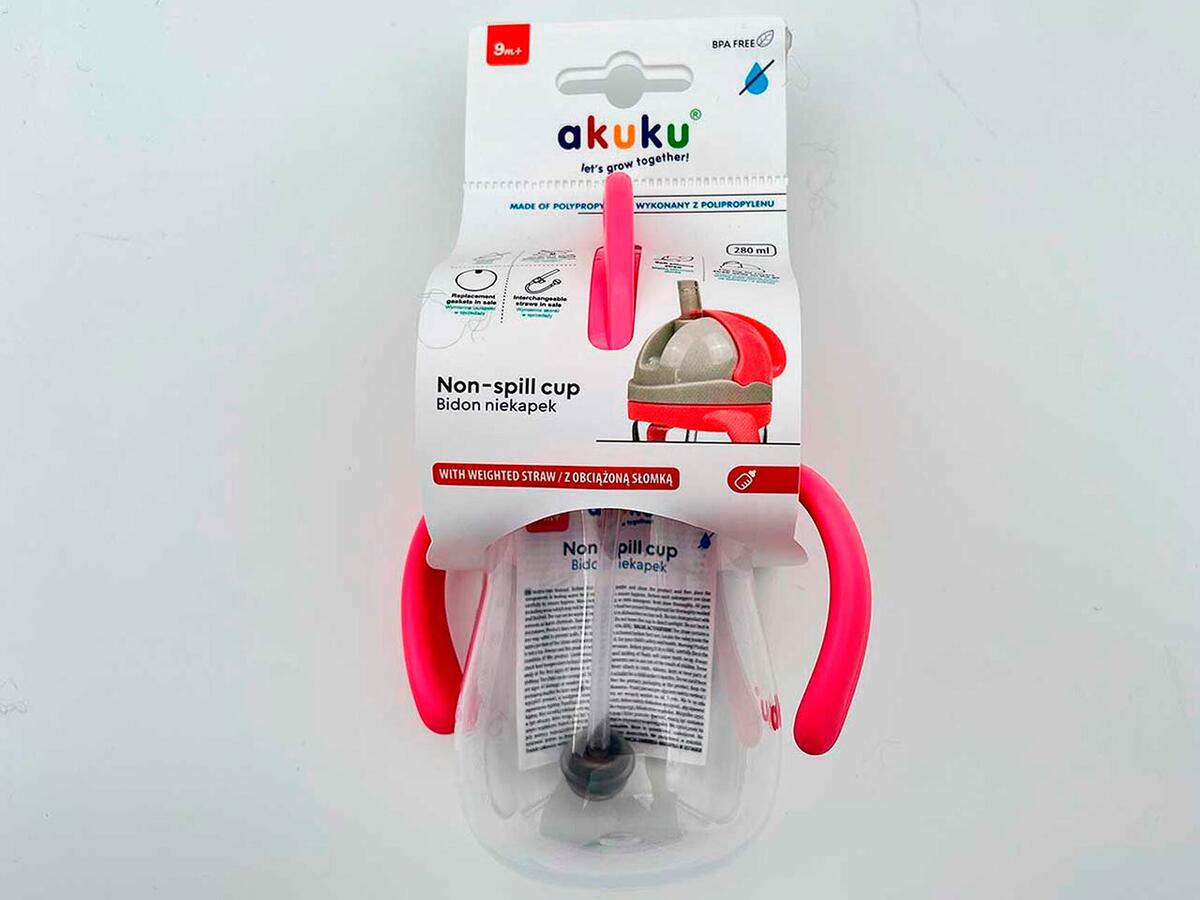
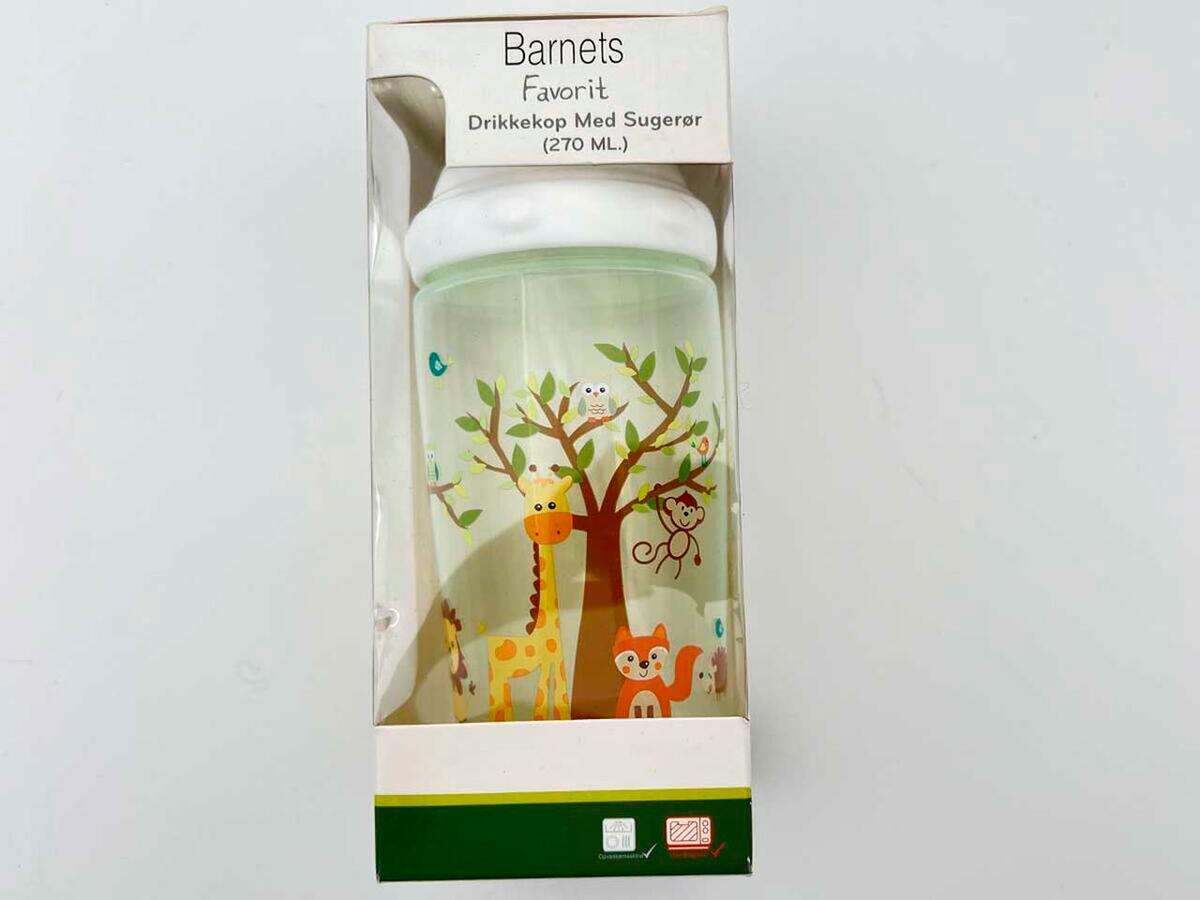
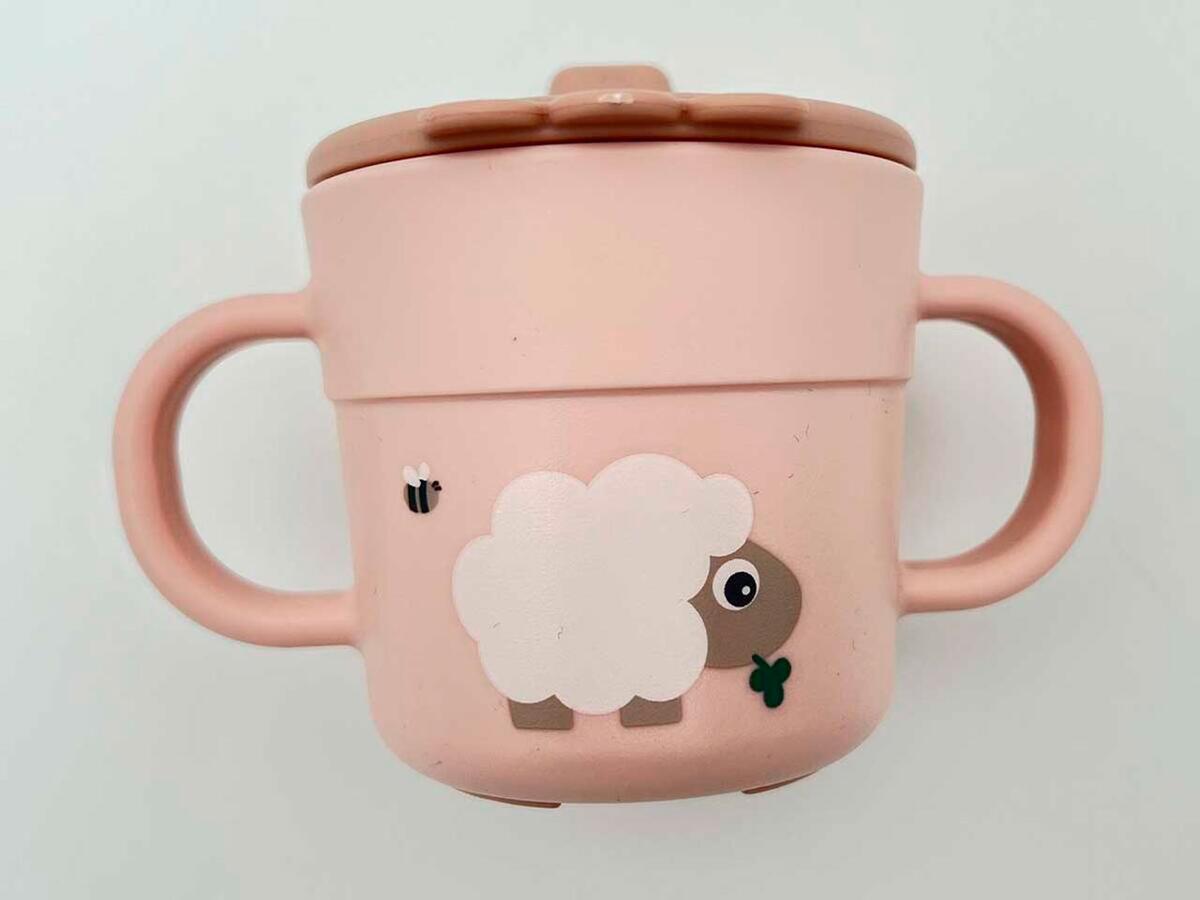
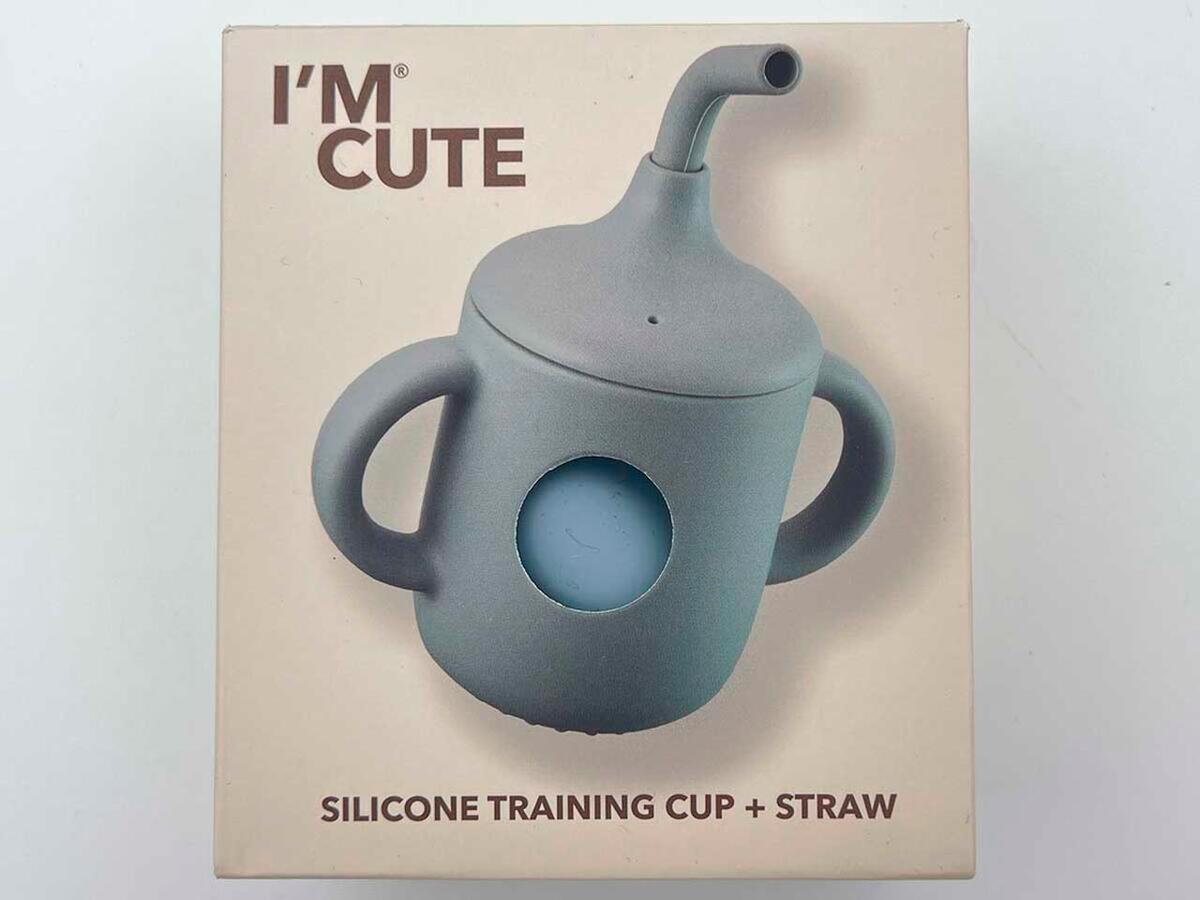
The Danish Consumer Council THINK Chemicals has tested nine drinking cups for babies and children to determine whether they release the problematic substance bisphenol A (BPA) from the lid with a spout or straw, which the child drinks from.
We tested the release of bisphenols into a solution of artificial saliva after half an hour at 98.6°F (37°C).
The test reveals that five out of nine drinking cups release small amounts of the substance.
Most of the drinking cups in the test have straws, and a few are sippy cups.
The tested products are from the brands Akuku, Barnets Favorit, Done by Deer, JJDK, Liewood, Mininor, Phillips, Twistshake, and Vanilla Copenhagen.
Here you can see which drinking cups and sippy cups we tested and what we found.
Several children’s drinking cups release traces of BPA
Bisphenol A is a particularly problematic chemical because it is a suspected endocrine disruptor and can harm fertility. Therefore, there is an EU ban on the use of the substance in baby bottles, sippy cups, and food packaging for children under the age of three.
Five out of nine tested drinking cups for babies and children release small amounts of bisphenol A from the lid with the spout or straw.
“BPA-free” is not a guarantee
Several of the products state that they are “BPA-free” on the packaging. However, BPA is already banned in this type of product. Therefore, we assess that this claim is misleading. Companies are not allowed to advertise that a product is free of substances that are already illegal to use.
At the same time, we find traces of BPA in a product that advertises itself as “BPA-free” — meaning the claim is not a guarantee either.






What the companies say
-
“Safety and compliance with applicable legal requirements for bisphenols in our products are the highest priority at Done by Deer. Therefore, materials containing bisphenols are not used in our products. This has been confirmed by our factory and by tests we have commissioned at independent laboratories.
The Danish Consumer Council THINK Chemicals’ test shows a very low level of bisphenol A below 1 µg/kg, which is the permitted detection limit in the EU. Such low levels may be due to background contamination or contamination from sources other than the material itself, and we have therefore initiated an investigation together with the factory while also increasing cleaning requirements for production equipment to eliminate the risk of contamination from external factors.
We have subsequently also sent a similar product for testing at an independent, international laboratory, which did not detect bisphenols in the product. Furthermore, products will continue to be tested on an ongoing basis to ensure that there are no bisphenols in our products.”
-
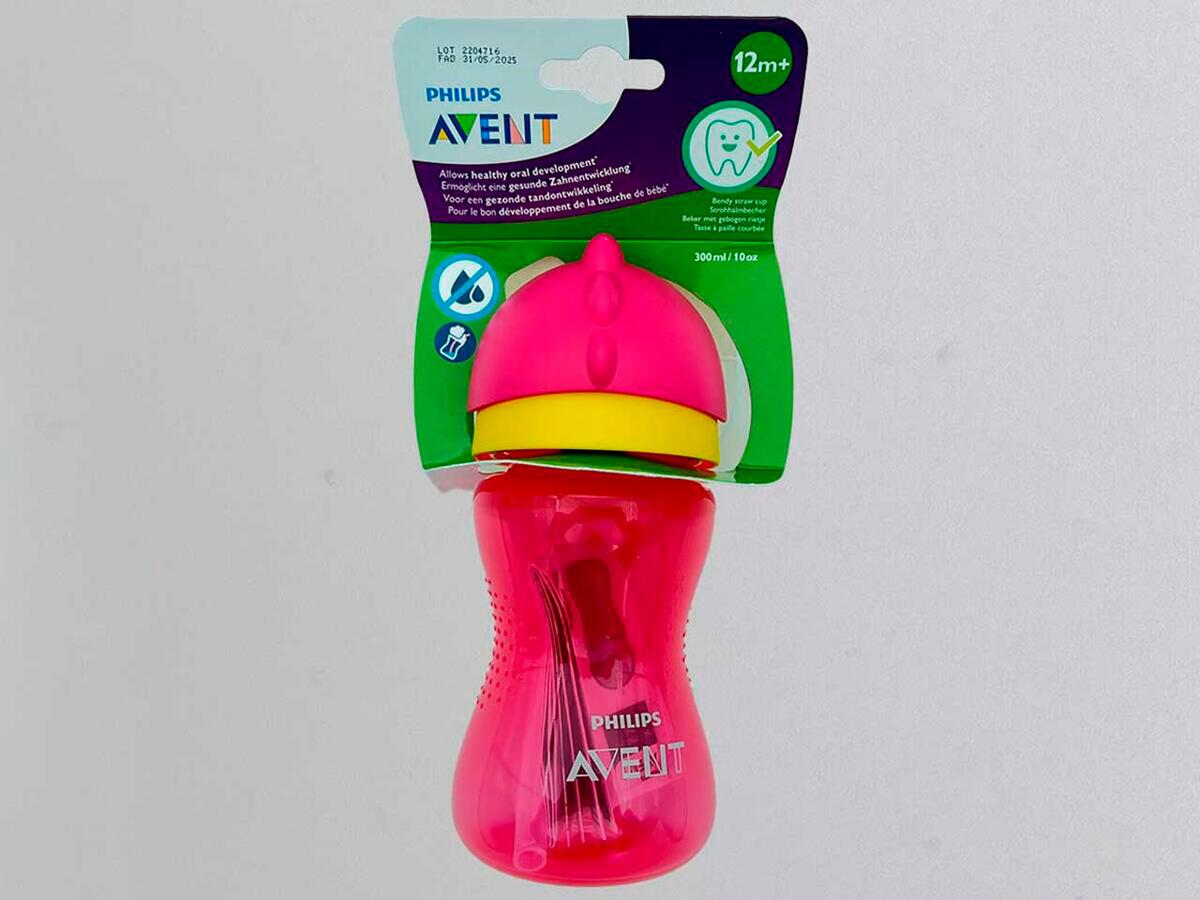
“As a leading brand in baby products, Philips Avent places the highest priority on the safety of our products. We ensure this through full compliance with all applicable safety requirements set by regulators globally, as well as by following the strictest standards.
Following the reported findings related to the Philips Avent Straw Cup, we have thoroughly reviewed the results of this study. The reported level of 0.0067 mg/kg is far below the current regulatory limit for BPA, and our products fully comply with this standard.
The Danish Consumer Council THINK Chemicals has also acknowledged in communication that the recorded migration level is so low that it may originate from external sources. We share this assessment and stand by our validated test result of being BPA-free, conducted by a certified third-party laboratory.”
-
“Quality and compliance with current legislation are our highest priorities at JJDK. Our products are developed and manufactured with a focus on complying with all European and national requirements regarding safety, materials, and chemicals.
In connection with the test conducted by Forbrugerrådet Tænk (TÆNK), traces of Bisphenol A were detected in our product at a very low level. Such low concentrations may be caused by unintended contamination during the production process. Our products are manufactured exclusively from materials that do not contain bisphenols. This is supported by the tests we have carried out on all of our products, where no bisphenols have been detected in the materials.
Following this, we have entered into dialogue with our manufacturer to identify the possible cause of the result, so that going forward we can ensure that our quality assurance and control processes continue to meet our high standards for quality and product safety.”
BPA may originate from the production process
Why is bisphenol A present at all in a sippy cup or drinking cup for children when the substance is banned? We cannot answer that precisely.
The deviation measured in the test is very small, which suggests that the substance has not been deliberately used in the product but is instead the result of contamination from other materials, packaging, labels, or other sources the drinking cup may have come into contact with during production.
Current regulations prohibit the use of BPA in the product itself—not that it may unintentionally end up there. However, this is changing. New rules are on the way that will require that BPA cannot be detected above a certain threshold in sippy cups and similar products, regardless of how it got there.
We have contacted the manufacturers behind the tested drinking cups. Some have responded with information stating that their products are BPA-free, but also that they will investigate and eliminate any potential risk of contamination from other sources.
The drinking cups are not dangerous
BPA is a substance that can affect our health even in very small amounts. For this reason, the European Food Safety Authority (EFSA) recommended in 2023 significantly lowering the safe intake limit, and in December 2024 the European Commission banned the use of BPA in a wide range of food contact materials such as cans and reusable bottles.
However, the traces of BPA we find in some drinking cups are not dangerous in themselves. The concern relates to the cocktail effect—the total amount of unwanted chemicals we are exposed to daily from many different sources at the same time.
Other tests
For several years, we have tested children’s products for bisphenols and other types of unwanted chemicals. See, for example:
Drinking cups for children without BPA
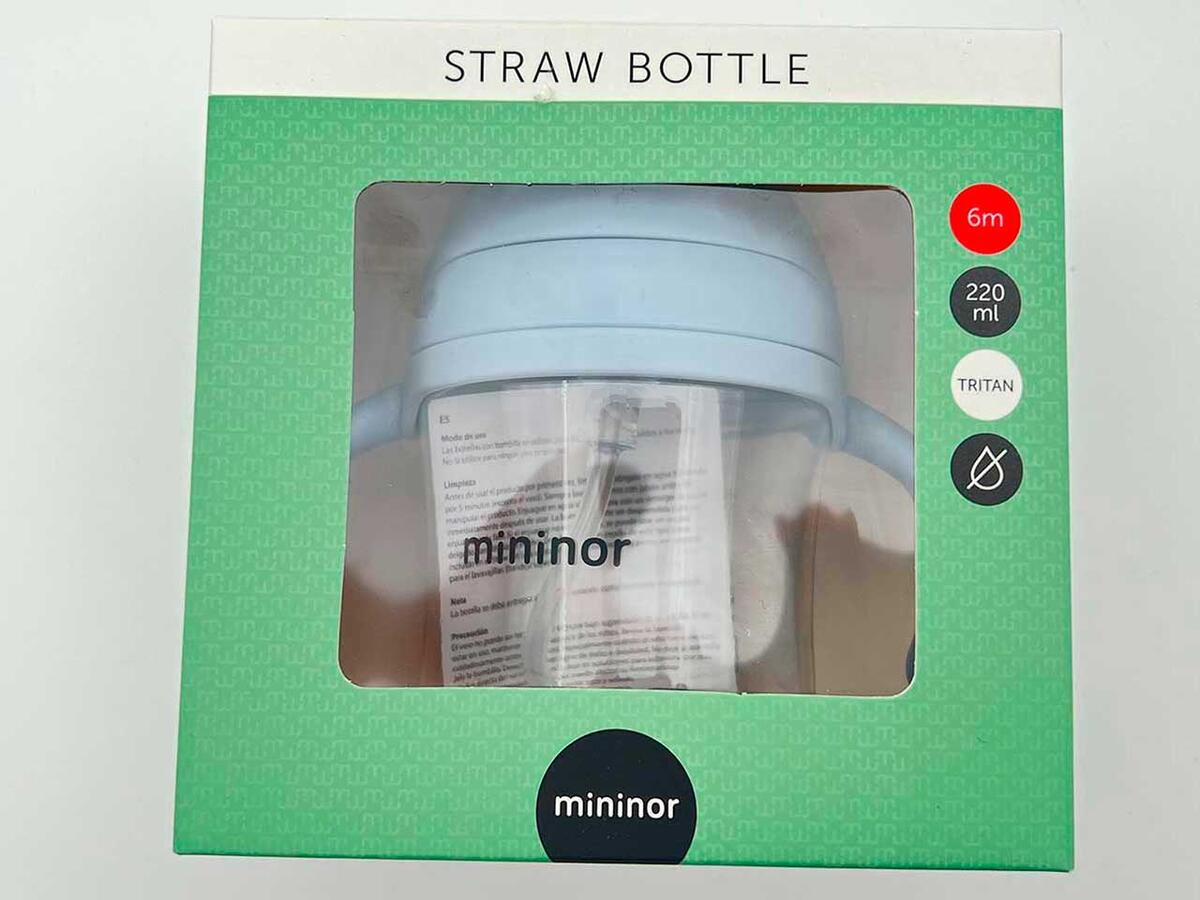
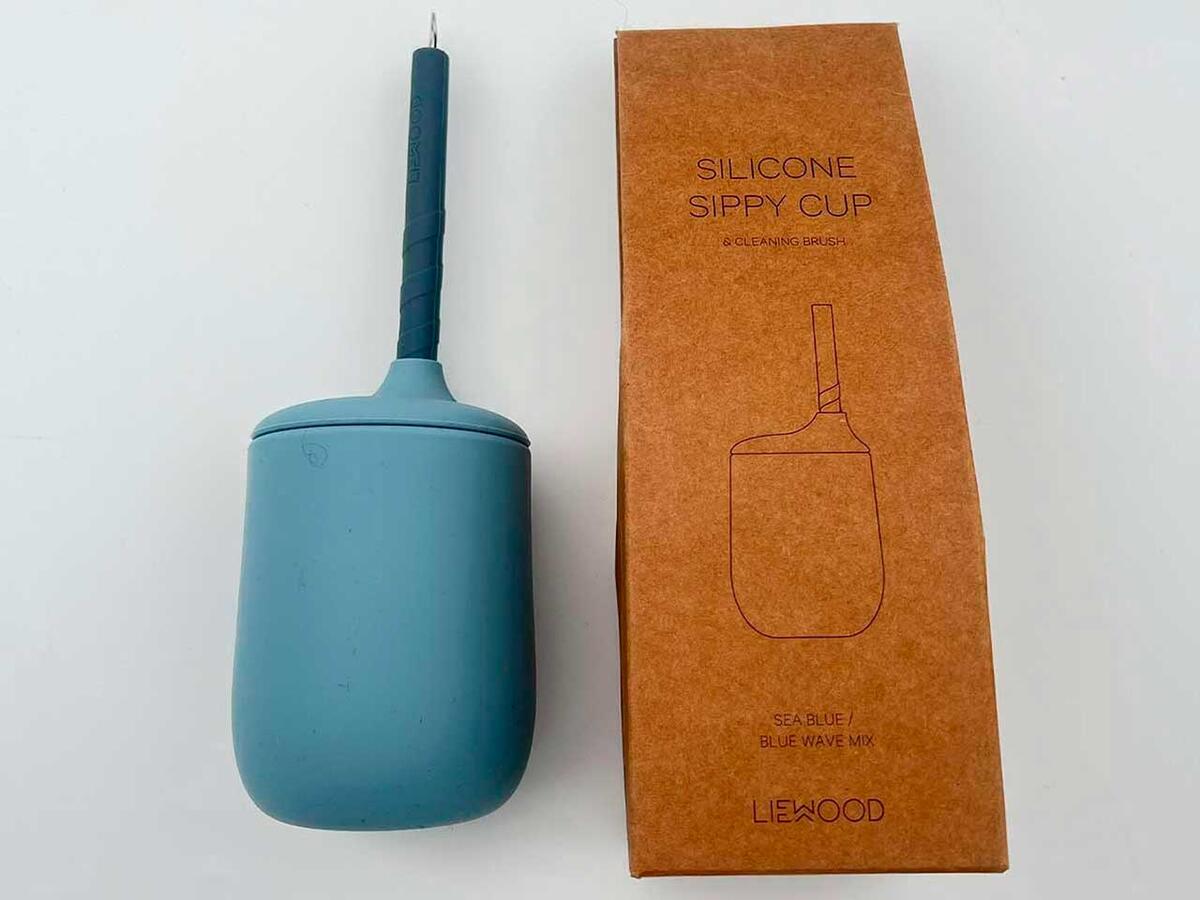
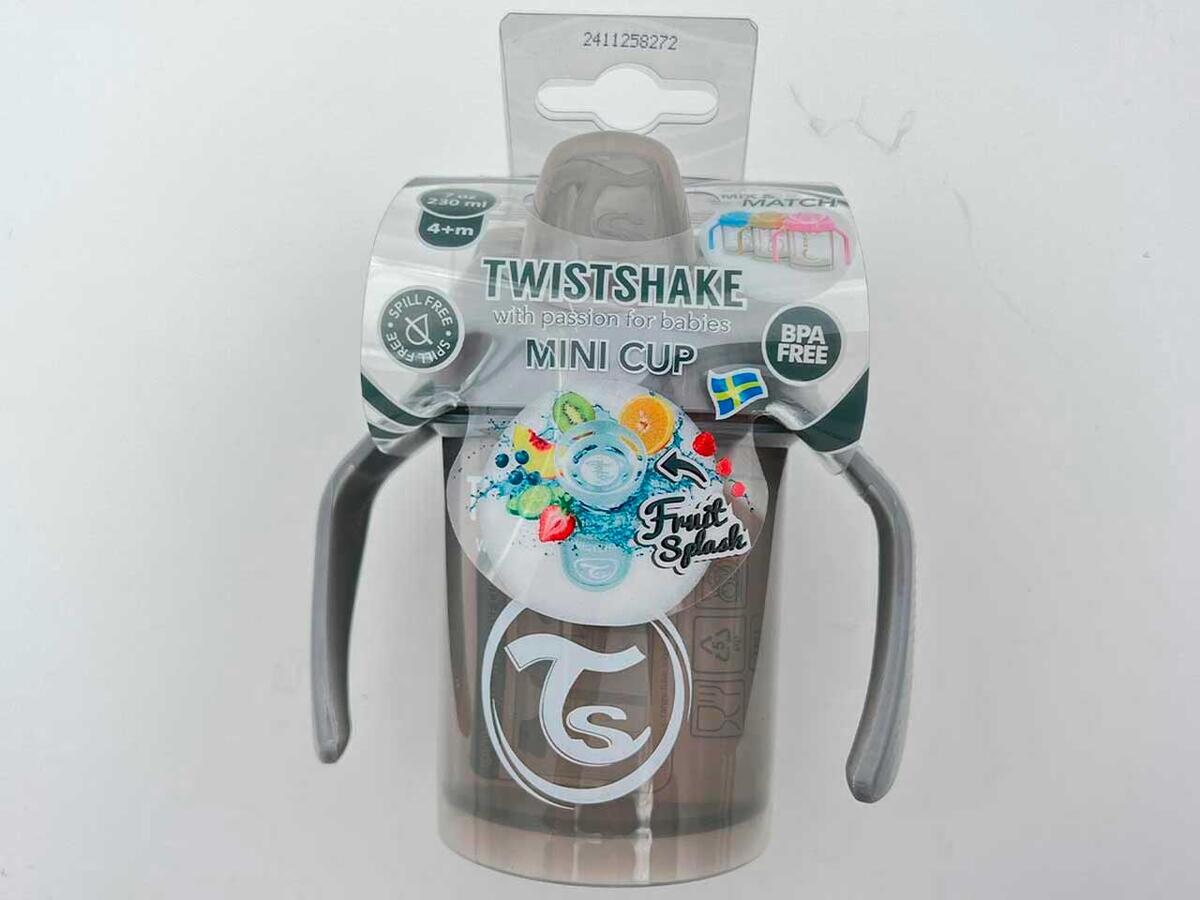
In the test, four out of the nine tested drinking cups showed no release of bisphenol A:



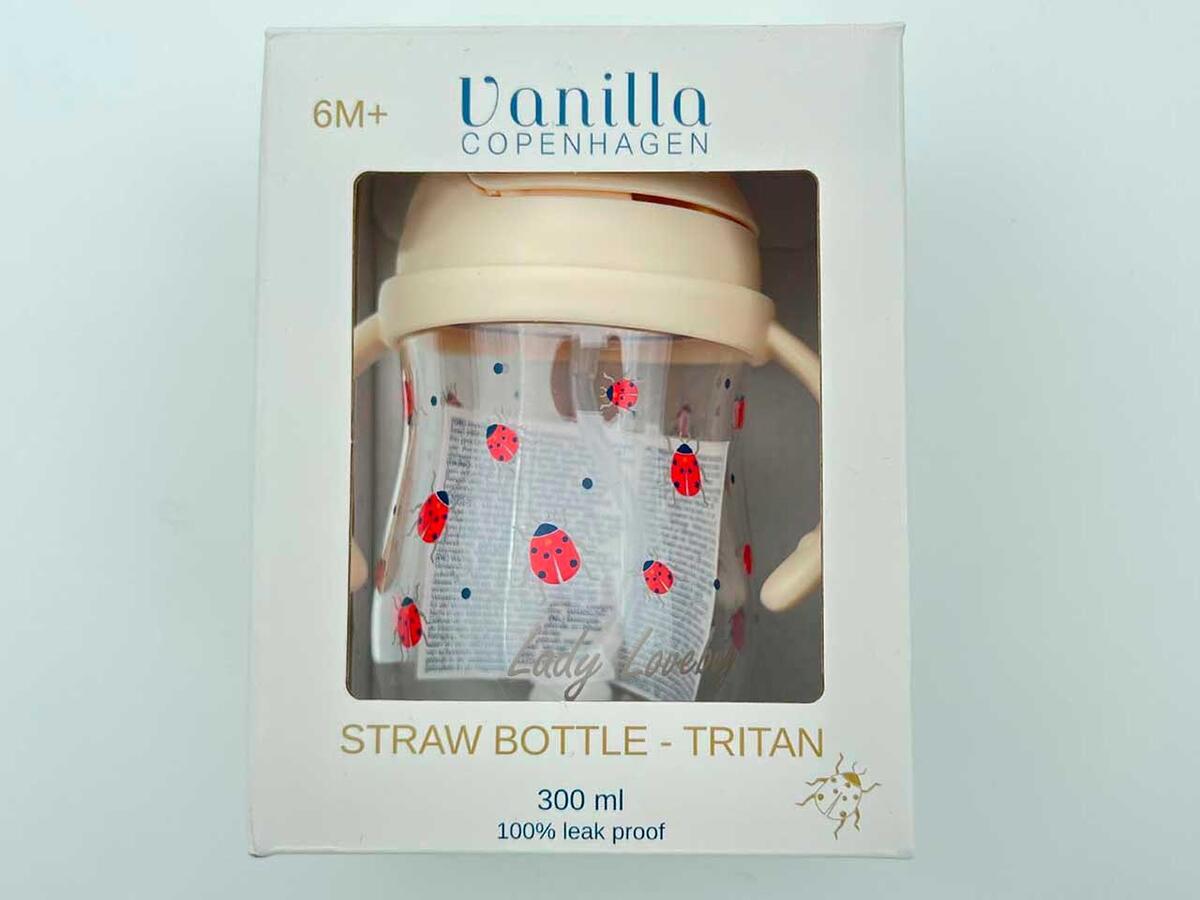

How to avoid BPA
Bisphenol A is banned in spout and straw cups for young children. The levels of bisphenols measured in this test are difficult to avoid in drinking cups, as identifying them requires thorough laboratory testing. The test also shows that even if a product is labeled “BPA-free,” it may still release the substance—most likely due to contamination during production, packaging, or similar processes. The best advice is therefore to:
- Choose drinking bottles, pacifiers, etc. without BPA based on tests from The Danish Consumer Council THINK Chemicals or other NGOs and authorities.
- Wash the product thoroughly before use, as instructed on the product. Washing can remove some residual chemicals and contamination.
- As a precaution, avoid heating the drinking cup in a microwave or pouring hot liquids into it. Heat will typically cause plastic to release chemicals—even if the product complies with regulations.
Want to learn more about bisphenols?
In this article, we have spoken with a number of researchers about how to remove them from products for children.