
Avoid these chemicals in toothpaste
Your toothpaste may contain substances that are suspected of damaging genetic material or are suspected endocrine disruptors. Find out which substances to avoid.
We all use toothpaste, and dentists recommend toothpaste containing fluoride to help protect teeth against cavities.
The Danish Consumer Council THINK Chemicals has reviewed the ingredient lists of fluoride toothpastes for the presence of unwanted chemicals that may be harmful to health or the environment.
Update: We have added three more toothpastes to the test due to increased demand from users. These are Änglamark toothpaste, Dr. Jones Fresh Mint, and Rema 1000 Cool Mint. All three toothpastes received the highest rating, the a-rating.
Key findings from the toothpaste test
- More than ten percent of the toothpastes in the test contain substances that are suspected endocrine disruptors.
- The highly unwanted chemical triclosan and the colorant titanium dioxide are found in a few toothpastes purchased from online retailers, but have otherwise almost been phased out of toothpaste on the Danish market.
- Nearly half of the toothpastes are free from unwanted chemicals.
Brands included in the test
We tested 63 toothpastes purchased from Danish stores and online retailers. The selection includes both popular brands and niche brands.
The brands included in the test are Aquafresh, Australian Bodycare, Best@Care, Beverly Hills Formula, Colgate, Denivit, DentaCure, Dentalux, Dr. Jones, Dr. Organic, Ecodenta, G.U.M., Green People, Jordan, Kingfisher, Lavera, Odontovax, Oral-B, OraNurse, Parodontax, Pepsodent, Pierrot, Rema 1000, Sensodyne, TePe, The Humble Co., Urtekram, Xtra, Zendium, Zymbion, and Änglamark.
Avoid suspected endocrine disruptors in toothpaste
Eight toothpastes in the test received the lowest chemical rating, the c-rating.
Four products in the test contain parabens. Three of them contain methylparaben, while the fourth contains sodium methylparaben.
Triclosan was only found in products purchased online, where it was detected in two products. Triclosan has long been under scrutiny. In addition to its potential effects on the endocrine system, the substance accumulates in the environment and is suspected of contributing to antibiotic-resistant bacteria. The Danish Environmental Protection Agency recommends avoiding triclosan altogether.
Two toothpastes contain methyl salicylate, which is also used as a fragrance ingredient. The substance is classified in the EU as suspected of damaging fertility.
These toothpastes contain unwanted chemicals
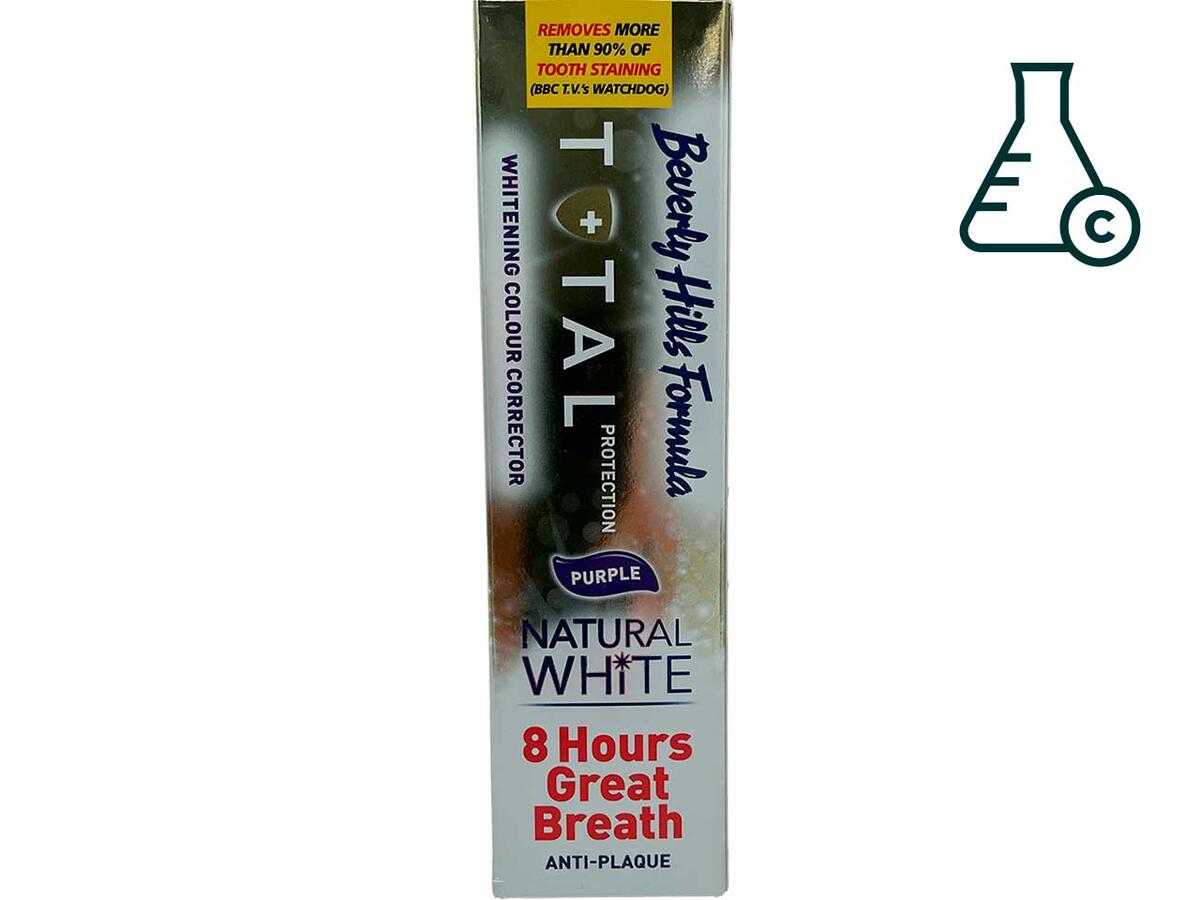
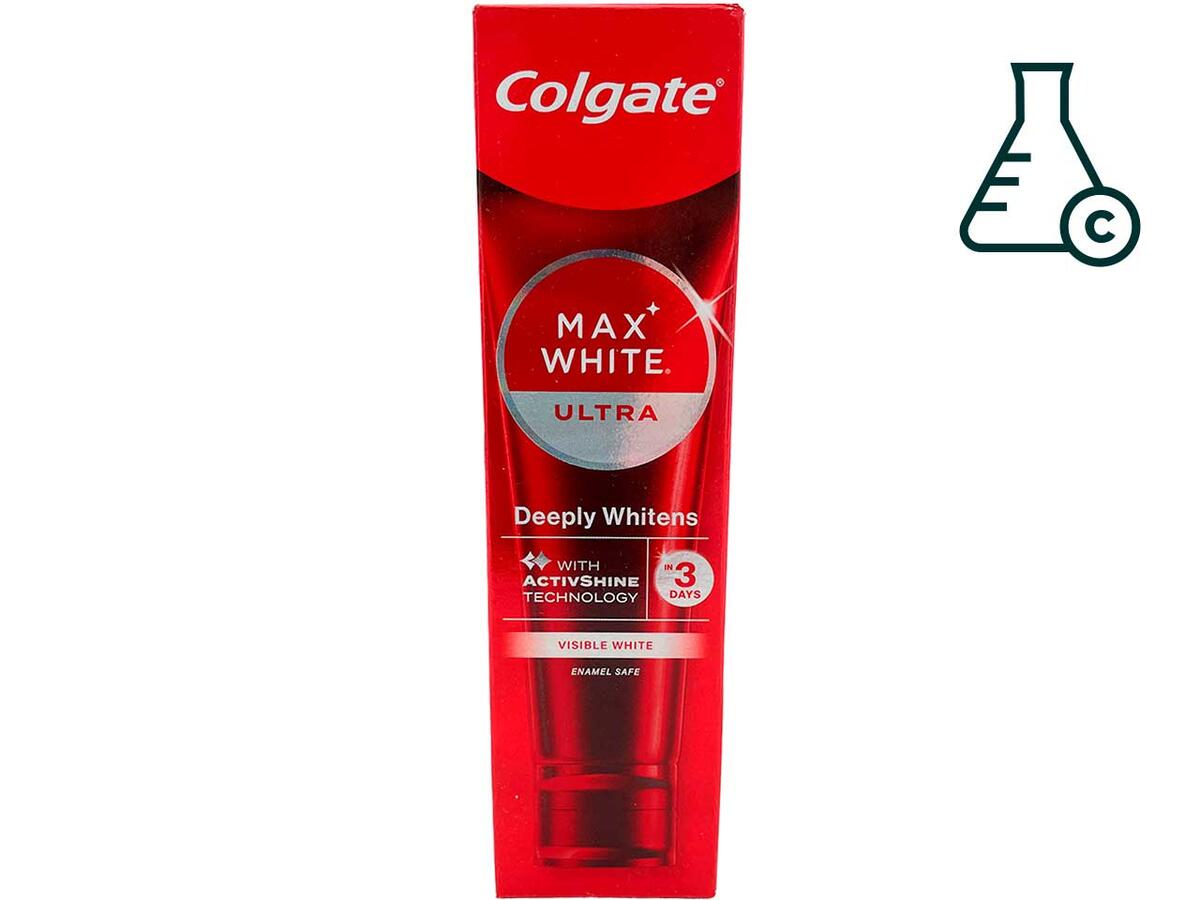
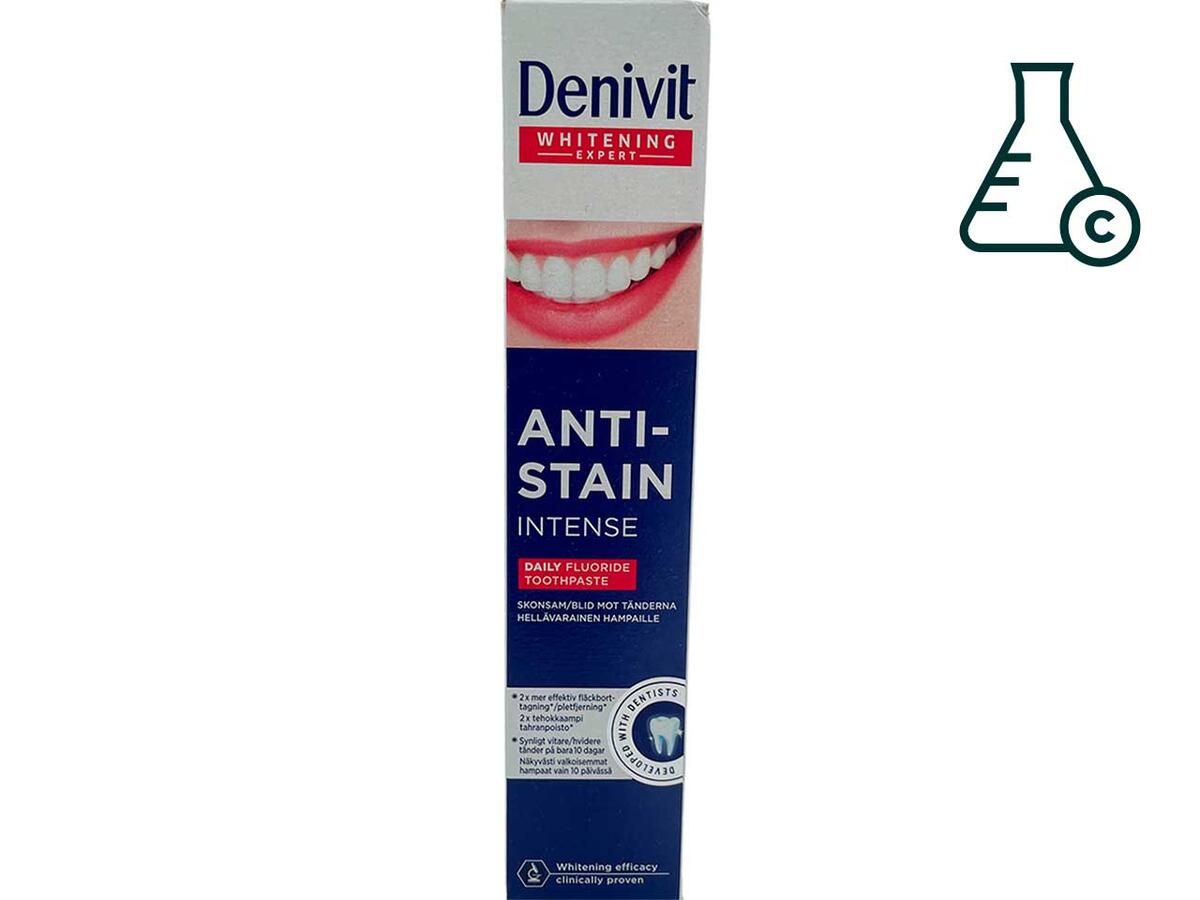
The following eight toothpastes in the test received the lowest chemical rating.



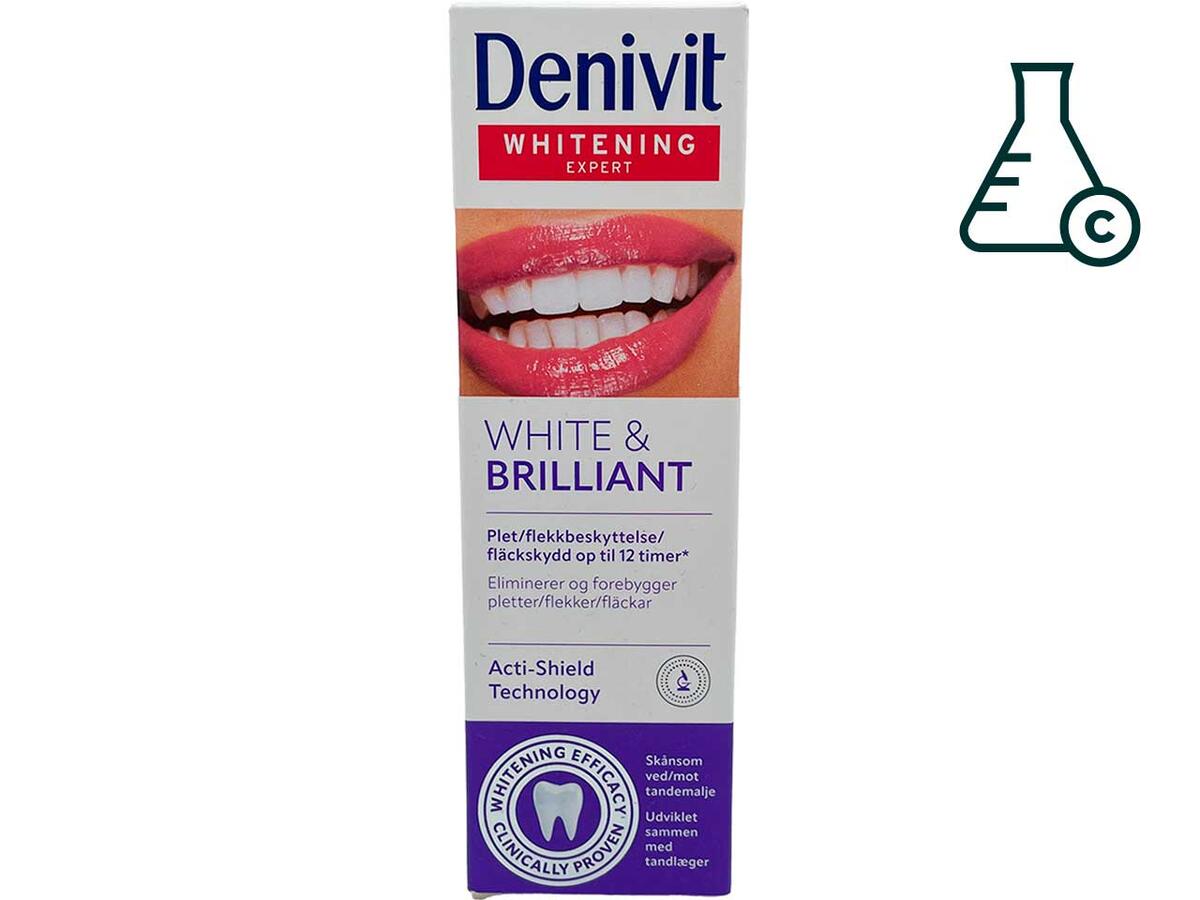

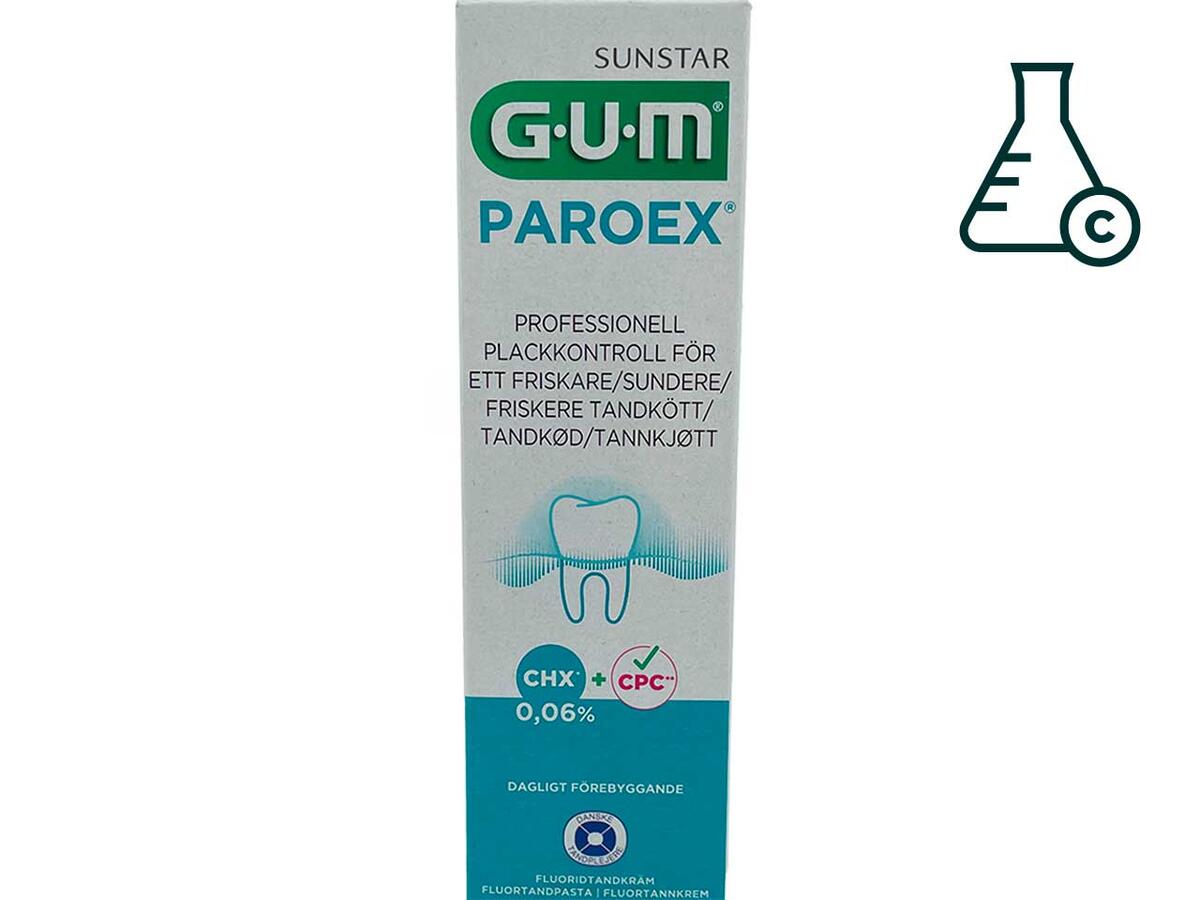

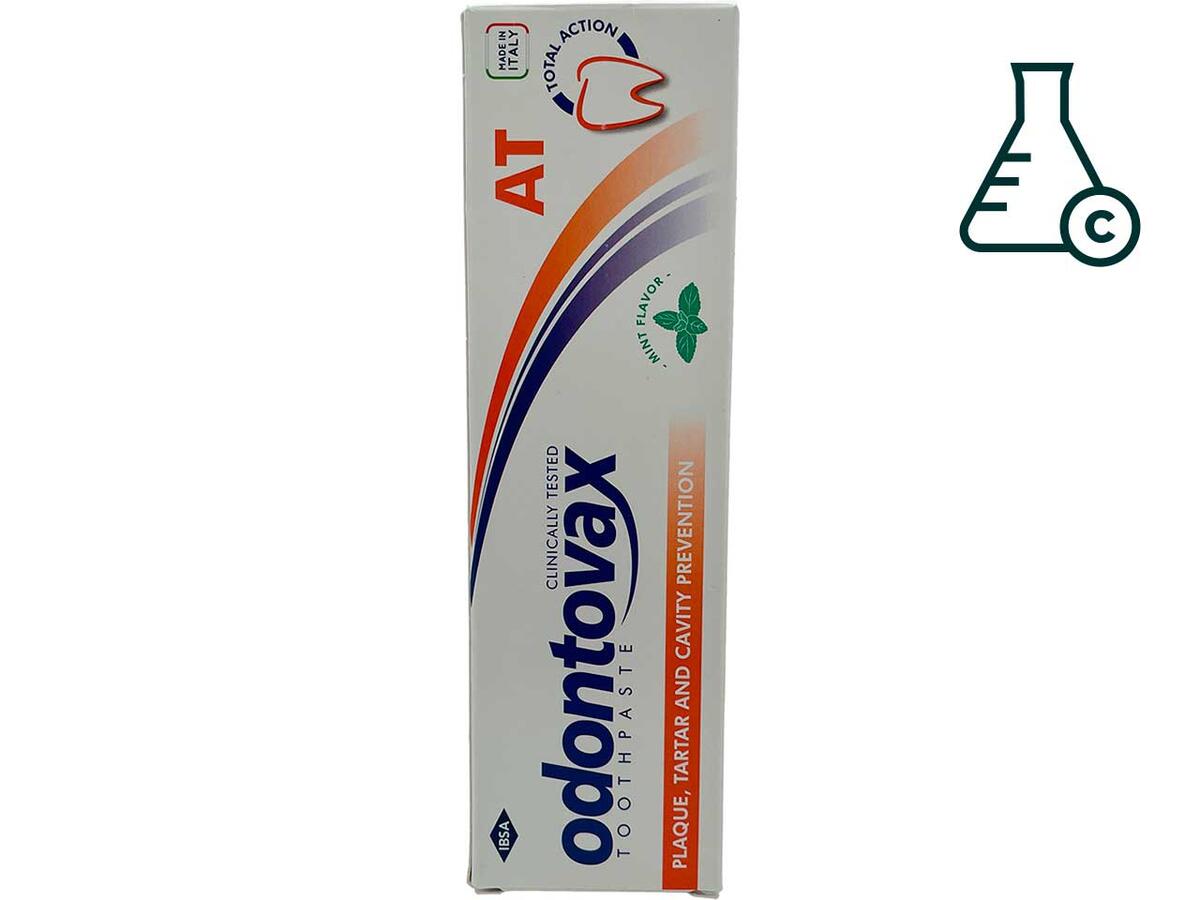

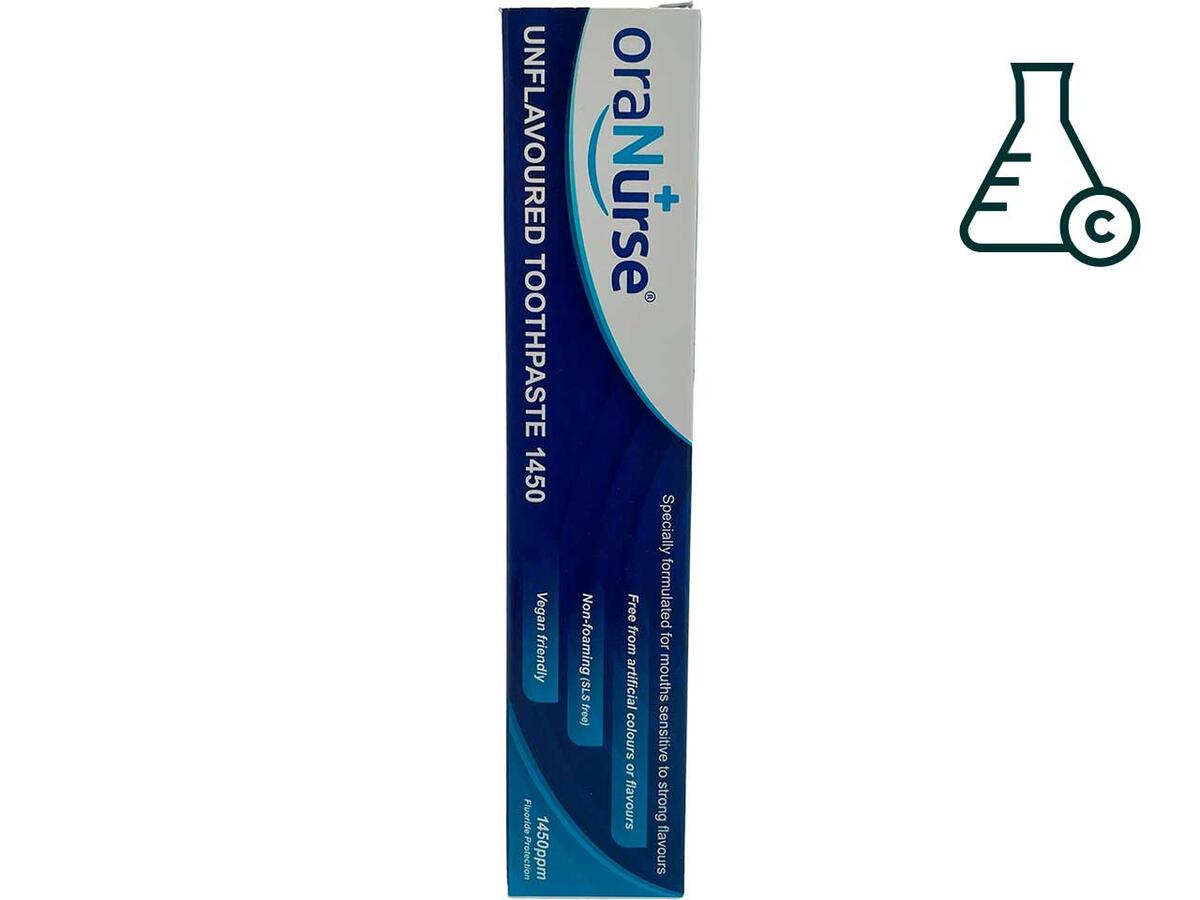

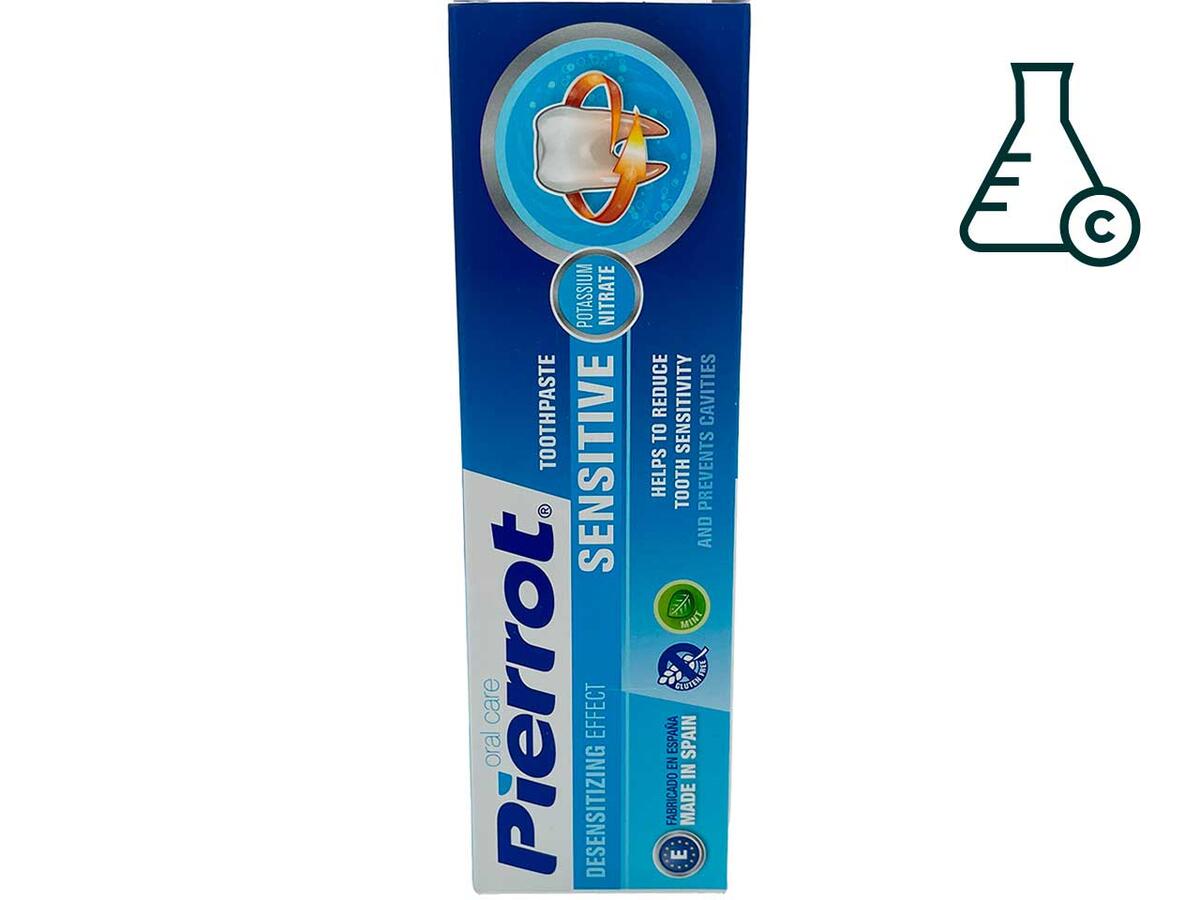


Titanium dioxide has almost disappeared from toothpaste
Only four toothpastes in the test contain titanium dioxide, suggesting that most manufacturers have phased out the substance. In the 2024 test, one in three toothpastes contained titanium dioxide. Toothpastes containing titanium dioxide receive a medium chemical rating, the b-rating.
Titanium dioxide is a naturally occurring color pigment that can make products such as toothpaste appear bright white. When ingested, titanium dioxide is suspected of damaging genetic material and can accumulate in the body.
For this reason, the substance is banned as a food additive. However, it is still permitted in personal care products such as toothpaste, where small amounts are inevitably ingested.
We recommend looking out for titanium dioxide or CI 77891 in personal care products that may be ingested, such as toothpaste.
A few fragrance-free toothpastes
Fragrance/flavoring is necessary for the taste of many toothpastes and is an important part of the overall product experience. For this reason, we have chosen not to include fragrance/flavoring in the overall chemical assessment.
The Danish Knowledge Centre for Allergy has previously stated that toothpaste is rarely a source of fragrance allergy.
However, there are a few toothpastes that are free from fragrance/flavoring and have also received the highest rating, the a-rating:
- TePe Pure toothpaste
- TePe Daily Baby Toothpaste 0-2 Years Unflavoured
Both carry the Asthma Allergy Nordic certification and the Swedish eco-label Bra Miljöval.
Is fluoride in toothpaste PFAS?
Fluoride in toothpaste is sometimes confused with harmful fluorinated substances, also known as PFAS. However, they are not the same.
Fluoride in toothpaste is completely different from PFAS. The fluoride used in toothpaste is inorganic fluorine in the form of fluoride, which helps prevent cavities by strengthening tooth enamel.
Fluoride does not have the same properties as PFAS. However, young children should not ingest too much fluoride, so only a small amount of toothpaste should be used, and children should be taught to spit it out.
Total exposure is the issue, not an individual product
In general, it is a good idea to limit your exposure to suspected endocrine disruptors whenever possible. This helps keep your overall exposure as low as possible.
A single toothpaste will not pose a health risk, even if it contains substances that are suspected endocrine disruptors.
However, your, or your child’s, total exposure to these substances may contribute to endocrine-disrupting effects. This is known as the cocktail effect.